Just modest, sustained weight loss for fatty liver often reverses steatosis and lowers inflammation, and he, she, and they will benefit from clear steps focused on diet, activity, and medical monitoring; this guide explains why weight loss for fatty liver matters, what clinical evidence and practical programs show, and how realistic goals and tracking make weight loss for fatty liver achievable for many people seeking improved liver and overall health, making weight loss for fatty liver a practical first-line step.
Understanding Fatty Liver Disease
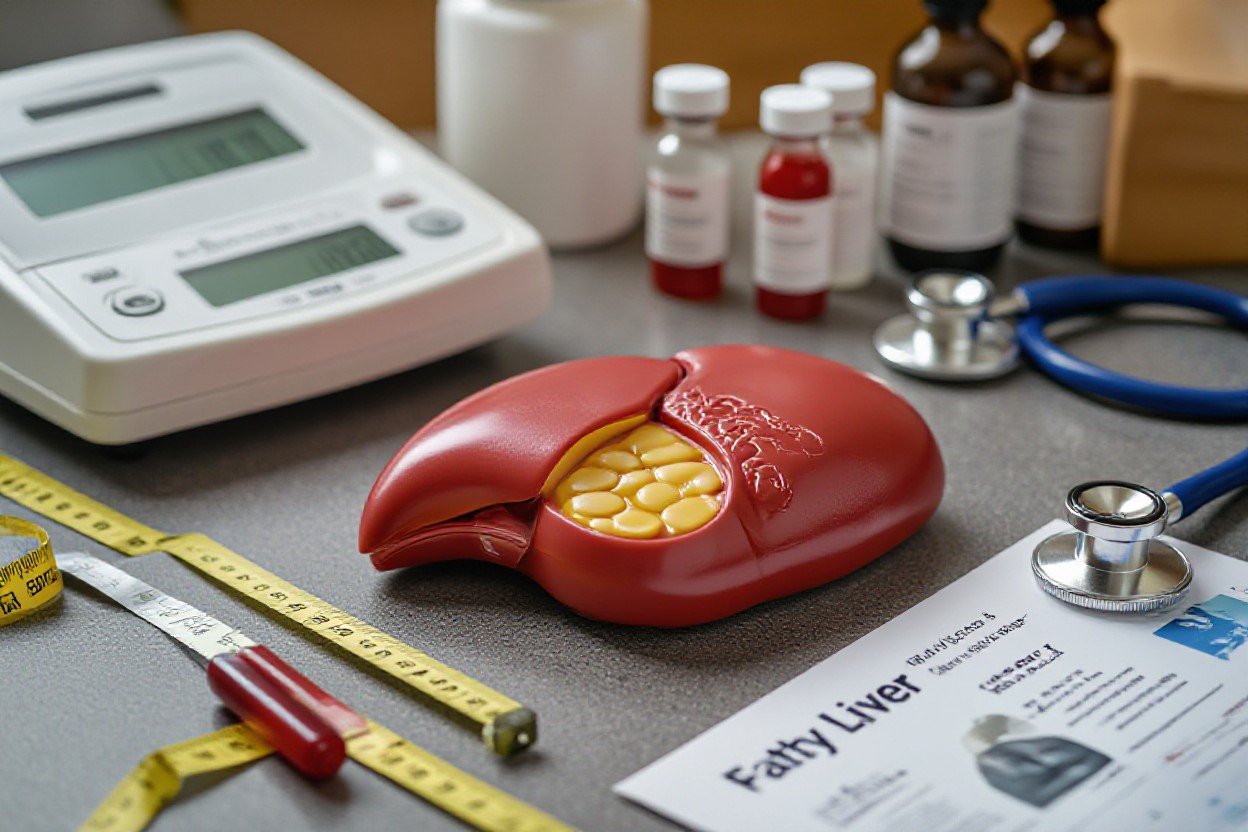
Fatty liver occurs when excess triglycerides accumulate in hepatocytes, defined as >5% hepatic fat by imaging or biopsy; about 25-30% of adults worldwide have some degree of fatty liver. He or she may remain asymptomatic for years, while they face increased risk of insulin resistance, type 2 diabetes, and progressive fibrosis. Weight loss for fatty liver remains one of the most effective interventions to reduce steatosis and lower long-term complications.
Types of Fatty Liver Disease
Alcoholic fatty liver, nonalcoholic fatty liver disease (NAFLD), and nonalcoholic steatohepatitis (NASH) represent the main clinical categories: alcoholic disease follows sustained high alcohol intake, NAFLD links to metabolic risk factors, and NASH combines steatosis with inflammation and hepatocellular injury, increasing fibrosis risk. Clinicians use lab trends, imaging, and sometimes biopsy to distinguish these, and weight loss for fatty liver benefits both NAFLD and NASH by reducing hepatic fat and inflammation.
- Alcoholic fatty liver: dose-dependent with ethanol exposure, reversible with abstinence.
- NAFLD: associated with obesity, metabolic syndrome, and type 2 diabetes; often silent.
- Recognizing the histologic difference between simple steatosis and NASH directs monitoring and treatment choices.
| Type | Key features |
|---|---|
| Alcoholic fatty liver | Linked to chronic heavy alcohol use; improves with cessation |
| NAFLD (simple steatosis) | Fat accumulation without significant inflammation; common in obesity |
| NASH | Steatosis plus inflammation and ballooning; higher fibrosis risk |
| Advanced fibrosis/cirrhosis | Irreversible scarring leading to portal hypertension and liver failure |
Factors Leading to Fatty Liver
Metabolic drivers-obesity (BMI ≥30), insulin resistance, dyslipidemia, and type 2 diabetes-are the predominant causes; specific medications (amiodarone, methotrexate), viral hepatitis genotype 3, and excessive fructose intake also contribute. He or she who gains visceral fat is more likely to deposit hepatic triglycerides, while rapid weight fluctuations and prolonged sedentary behavior worsen risk. This interplay makes weight loss for fatty liver a primary treatment focus.
- Obesity and central adiposity markedly increase hepatic fat deposition.
- Insulin resistance and hypertriglyceridemia promote lipogenesis and impaired fat export.
- This includes certain drugs, high-fructose diets, and poorly controlled diabetes as modifiable drivers.
Prospective studies show NAFLD prevalence rises with BMI-over 60% prevalence in cohorts with type 2 diabetes-and biopsy series report 10-20% of NAFLD patients have NASH with varying fibrosis stages. If they achieve sustained 7-10% total weight loss, many patients experience a 30-50% reduction in liver fat and histologic improvement in inflammation and fibrosis markers, underscoring why targeted weight loss for fatty liver yields measurable clinical benefit.
- Modifiable factors (diet, activity, alcohol) account for the majority of cases in clinical practice.
- Nonmodifiable risks-age, genetics (PNPLA3), and certain infections-raise baseline susceptibility.
- This highlights that addressing weight and metabolic health can substantially lower progression risk.
The Importance of Weight Loss for Fatty Liver
Weight loss for fatty liver remains the single most impactful lifestyle change a person can make to lower liver fat and metabolic risk; they often see improvements in blood sugar, blood pressure, and triglycerides with modest reductions in body weight, and clinicians commonly aim for sustained, achievable targets rather than rapid loss.
Health Benefits of Weight Loss
When he or she loses 5-10% of body weight, they typically experience lower insulin resistance, a 20-40% drop in hepatic fat on imaging, and reductions in LDL and triglycerides; these changes translate to fewer cardiovascular events and better diabetes control, so clinicians prioritize gradual, maintainable plans that combine diet quality improvements and increased physical activity.
Impact on Fatty Liver Reversal
Weight loss for fatty liver at the 5-10% range is associated with marked reductions in steatosis and liver enzymes, while losses above ~10% raise the likelihood of NASH improvement and early fibrosis regression; patients who follow structured programs with caloric deficit and resistance training achieve the best histologic outcomes in trials.
Clinical data show that a 100 kg patient who loses 7-10 kg (7-10%) can expect a 30% or greater drop in liver fat and measurable ALT normalization within months; sustained weight loss for fatty liver paired with weekly aerobic exercise (150-300 minutes) and 10-20 g/day of increased protein supports lean mass preservation, and serial elastography or ALT monitoring helps he, she, or they track response and guide further management.
Tips for Effective Weight Loss
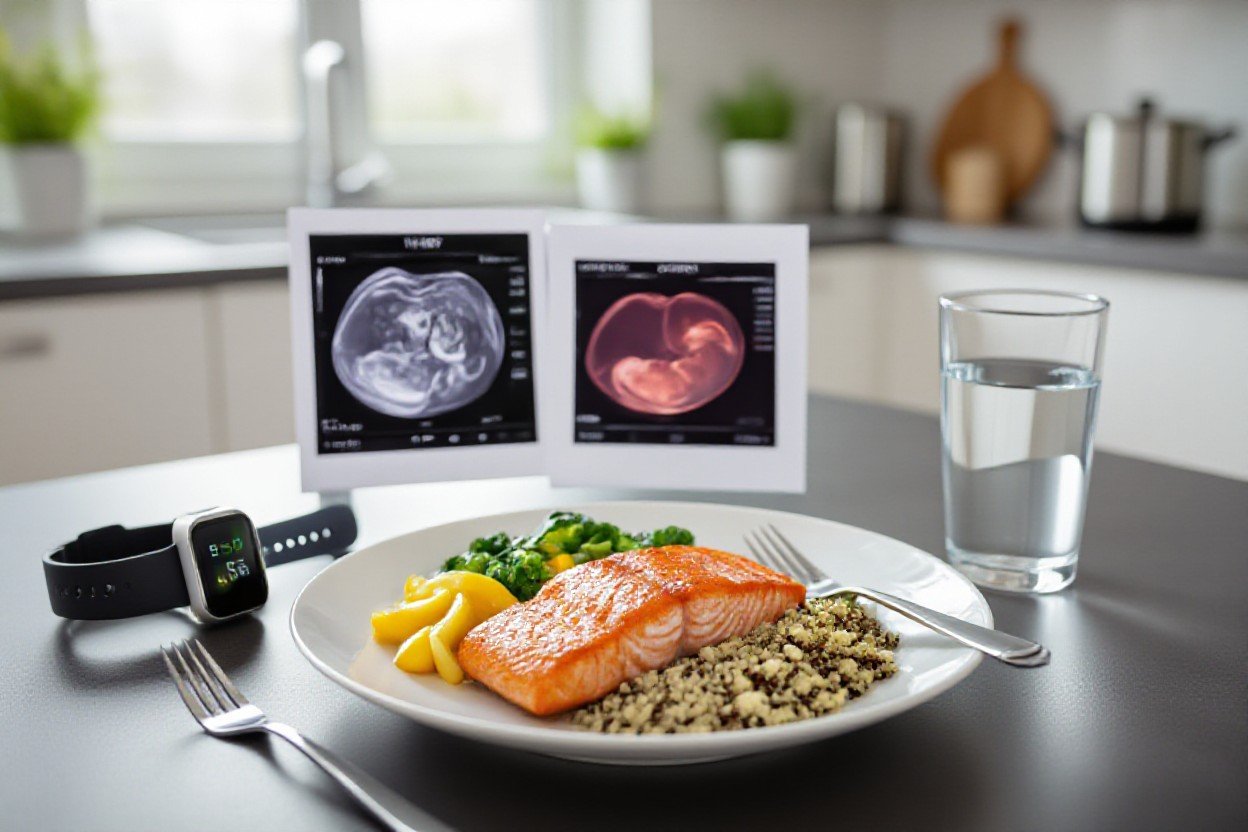
Practical strategies speed measurable progress: set a 5-10% weight loss target over 6-12 months and aim for a 500-750 kcal daily deficit to promote sustainable change; track weight, waist circumference, and fasting glucose or ALT to gauge liver response. Break goals into monthly milestones and prioritize protein and fiber to preserve lean mass. Knowing how to balance macronutrients, consistent meal patterns, and gradual activity increases makes weight loss for fatty liver both achievable and maintainable.
- Set a 5-10% body-weight goal within 6-12 months
- Target a 500-750 kcal daily deficit (≈0.5-1 kg/week)
- Track portions, protein intake (25-30 g/meal), and added sugars
- Combine aerobic and resistance training (see below)
- Use monthly labs (ALT, fasting glucose) to monitor response
Dietary Changes for Weight Loss
He or she should adopt a Mediterranean-style pattern-vegetables, legumes, whole grains, olive oil, nuts, and lean protein-while limiting refined carbs and sugar-sweetened beverages; a 500 kcal deficit with 25-35% of calories from mostly unsaturated fats and 20-25% protein supports preservation of muscle and progressive weight loss for fatty liver. They may aim to limit added sugars to <30 g/day and replace sugary drinks with water or unsweetened tea.
Exercise Recommendations
They should pursue 150-300 minutes of moderate aerobic activity weekly (brisk walking, cycling) plus two nonconsecutive resistance sessions targeting major muscle groups; adding 1-2 HIIT sessions per week (e.g., 10×1 minute hard with 1-2 minute easy recovery) accelerates visceral fat loss and supports weight loss for fatty liver. He or she should progress intensity gradually to prevent injury.
A practical weekly plan could be: Monday 30-45 minutes brisk walk, Tuesday resistance training 40-50 minutes, Thursday interval session 20 minutes, Saturday 60-minute moderate hike, with core or mobility work on rest days; aiming for progressive overload in strength sessions and an RPE of 6-7 for moderate, 8-9 for vigorous. They should track session duration and perceived effort, and note that exercise can reduce liver fat and improve insulin sensitivity even before large weight changes occur.
Step-by-Step Guide to Weight Loss for Fatty Liver
Following a structured plan speeds improvement in liver fat: clinical evidence shows 5-10% weight loss reduces steatosis and improves liver enzymes, so he or she should aim for steady losses of 0.5-1.0 kg (1-2 lb) per week. They will combine reduced added sugars, portion control, and 150-300 minutes of moderate aerobic exercise weekly. Weight loss for fatty liver responds best to combined diet and activity changes, with regular monitoring and medical follow-up to adjust medications or investigate secondary causes.
Quick Action Steps
| Step | Action |
|---|---|
| Set targets | Aim for 5-10% body weight over 3-6 months |
| Nutrition | Cut added sugars to <30 g/day, prioritize vegetables, lean protein, whole grains |
| Exercise | 150-300 min/week moderate aerobic + 2 resistance sessions/week |
| Track | Weekly weigh-ins, monthly waist, labs every 3-6 months |
| Clinical follow-up | Baseline ALT/AST, ultrasound or FibroScan as indicated |
| Adjust | Reduce intake by 200-500 kcal/day or increase activity if plateau |
Setting Realistic Goals
He or she should set measurable targets: a 5-10% reduction in body weight typically yields meaningful decreases in liver fat and improved labs. They ought to break that into monthly goals (about 1-2 kg/month) and focus on process targets like 3-5 vegetable servings daily and 150 minutes of aerobic activity weekly. Weight loss for fatty liver becomes manageable when goals are specific, time-bound, and adjusted for baseline BMI and comorbidities.
Tracking Progress
They should track weight weekly, waist circumference monthly, and clinical labs (ALT, AST, fasting glucose) every 3-6 months; photos, food logs, and a simple app improve adherence. He or she will interpret small weekly changes rather than day-to-day fluctuations, and use objective measures-waist change of ≥2 cm or a steady downward trend in weight-alongside symptom and energy-level reports.
More detailed tracking can include body composition (if available), serial FibroScan or ultrasound when recommended, and documented dietary patterns. In practice, a person who records daily intake and logs three exercise sessions per week often sustains greater weight loss; clinicians typically repeat blood tests at 3 months to quantify improvements. Weight loss for fatty liver should be validated by lab or imaging changes over time, and adjustments-such as a 200-300 kcal/day deficit increase or swapping low-value carbs for protein-help overcome plateaus while monitoring for safe, gradual progress.
Pros and Cons of Weight Loss for Fatty Liver
| Pros | Cons |
|---|---|
| Reduces hepatic fat; 5-10% weight loss often lowers liver fat by ~30% | Requires sustained lifestyle change; many regain 30-50% within 1-2 years |
| Improves insulin sensitivity and glycemic control | Slow progress can frustrate patients and reduce adherence |
| Lowers cardiovascular risk factors (BP, triglycerides) | Rapid weight loss can increase gallstone risk |
| Can improve NASH histology with 7-10% loss and normalize enzymes | Possible loss of lean mass without adequate protein/resistance training |
| Enhances response to diabetes and hypertension medications | Access and cost of programs, dietitians, or surgery may limit options |
| Better energy, mobility, and quality of life | Mental-health burden: body-image pressure and rigid dieting |
Advantages of Weight Loss for Fatty Liver
He, she, or they often see measurable benefits from weight loss for fatty liver: a 5-10% reduction in body weight typically lowers liver fat by about 30%, improves ALT/AST and insulin sensitivity, and can reduce progression to fibrosis; pairing a Mediterranean-style plan with resistance training and guidance from a registered dietitian or a liver-friendly diet protocol increases likelihood of sustained gains.
Potential Challenges for Weight Loss for Fatty Liver
He, she, or they frequently face barriers when pursuing weight loss for fatty liver, including metabolic adaptation, comorbidities like osteoarthritis that limit activity, social determinants such as food access, and relapse rates around 30-50% within two years without structured follow-up.
More detail on challenges to weight loss for fatty liver: metabolic slowdown and hormonal shifts (lower leptin, higher ghrelin) make maintenance difficult, while socioeconomic limits-time, cost, and safe exercise spaces-compound the issue. He, she, or they benefit from multidisciplinary care: a dietitian to set caloric and protein targets, a trainer to preserve lean mass with progressive resistance exercise, and a clinician to monitor liver tests and consider pharmacotherapy or bariatric surgery when BMI ≥35 or NASH persists despite 7-10% loss. Structured programs with regular follow-up and behavioral support yield better 12-month maintenance than self-directed attempts.

Lifestyle Changes to Support Weight Loss
He or she should prioritize a modest calorie deficit (about 500-750 kcal/day) paired with a Mediterranean-style eating pattern high in vegetables, whole grains, and lean protein; even a 5-10% body-weight reduction often improves liver fat and enzymes, and structured exercise-150 minutes of moderate aerobic activity plus two weekly resistance sessions-helps preserve muscle and boost metabolic health in the context of weight loss for fatty liver.
Stress Management Techniques
They can lower cortisol-driven visceral fat by practicing brief, evidence-based strategies: 10-20 minutes of daily mindfulness meditation, weekly cognitive behavioral therapy sessions for emotional eating, 5-minute paced breathing during cravings, and progressive muscle relaxation before bed; clinical programs that add stress reduction to diet and exercise have shown better adherence and greater reductions in weight and liver fat, supporting weight loss for fatty liver.
Sleep and Its Role in Weight Management
He or she should aim for 7-9 hours nightly because short sleep (<6 hours) is associated with higher appetite, altered ghrelin/leptin balance, and worse insulin sensitivity, all of which undermine calorie control and weight loss efforts; consistent sleep schedules and limiting late-night screens improve hormonal regulation and make weight loss for fatty liver more attainable.
More specifically, they should adopt practical sleep hygiene: fixed wake and sleep times, a cool dark bedroom (about 15-19°C), avoiding caffeine after mid-afternoon, and winding down 30-60 minutes with low-stimulation activities; trials show participants who improve sleep duration and quality during behavioral weight-loss programs often achieve larger reductions in body weight and liver-related metabolic markers than those with persistent sleep loss.
Final Words
With this in mind, he, she, and they should prioritize weight loss for fatty liver because modest weight reduction lowers liver fat, improves insulin sensitivity, reduces inflammation, and decreases progression risk; practical diet, activity, and medical strategies deliver measurable benefit, and readers can review a patient account and clinical context at Is fatty liver disease related to diabetes and obesity?
FAQ: weight loss for fatty liver
A: This FAQ explains common questions about weight loss for fatty liver, why it matters for liver health, realistic targets, and practical lifestyle steps to support lasting change.
Q: How does weight loss for fatty liver improve liver function and disease markers?
A: Losing weight reduces liver fat, lowers inflammation, and can improve liver enzymes (ALT/AST) and insulin sensitivity. Clinical studies show that a 5-10% reduction in body weight typically decreases hepatic steatosis and can reduce fibrosis progression in many people. Weight loss for fatty liver also lowers cardiovascular risk by improving blood pressure, lipid profiles, and glucose control, which are common comorbidities. Monitoring with blood tests and, when available, imaging or transient elastography provides objective feedback on liver response as weight changes.
weight loss for fatty liver: realistic targets and timelines
Q: How much weight loss is needed to meaningfully reverse fatty liver, and how fast should I aim to lose it?
A: Aim for a gradual loss of about 5-10% of total body weight over several months; this range is linked to measurable reductions in liver fat and inflammation. For many people, 7% is a practical benchmark to reduce steatosis, and 10% or more may be needed to improve established NASH in some cases. A safe rate is roughly 0.5-1% of body weight per week (about 0.5-1 kg/week for many adults). Very rapid weight loss can cause other health issues and should be medically supervised. Work with your clinician to set a personalized target and use objective measures-weight trends, blood tests, and imaging-to track progress. For more on clinical monitoring and testing, see our fatty liver resources.
Q: What lifestyle changes support weight loss for fatty liver beyond simple calorie cutting?
A: Focus on dietary quality, physical activity, and managing related conditions. A Mediterranean-style eating pattern-rich in whole grains, vegetables, legumes, nuts, fish, and olive oil-reduces liver fat better than low-fat approaches in some studies. Cut sugary drinks and refined carbs, prioritize lean protein and fiber, and limit added sugar and excess saturated fat. Combine aerobic exercise (150-300 minutes/week of moderate activity) with resistance training twice weekly to reduce visceral fat and increase metabolic health. Address sleep, stress, and alcohol intake; treat diabetes, dyslipidemia, or sleep apnea if present. When lifestyle change alone is insufficient, discuss medical weight-management options or bariatric referral with your provider. Practical programs, behavior strategies, and clinical follow-up improve long-term success-see our weight management and treatment guidance for options that pair with liver care.